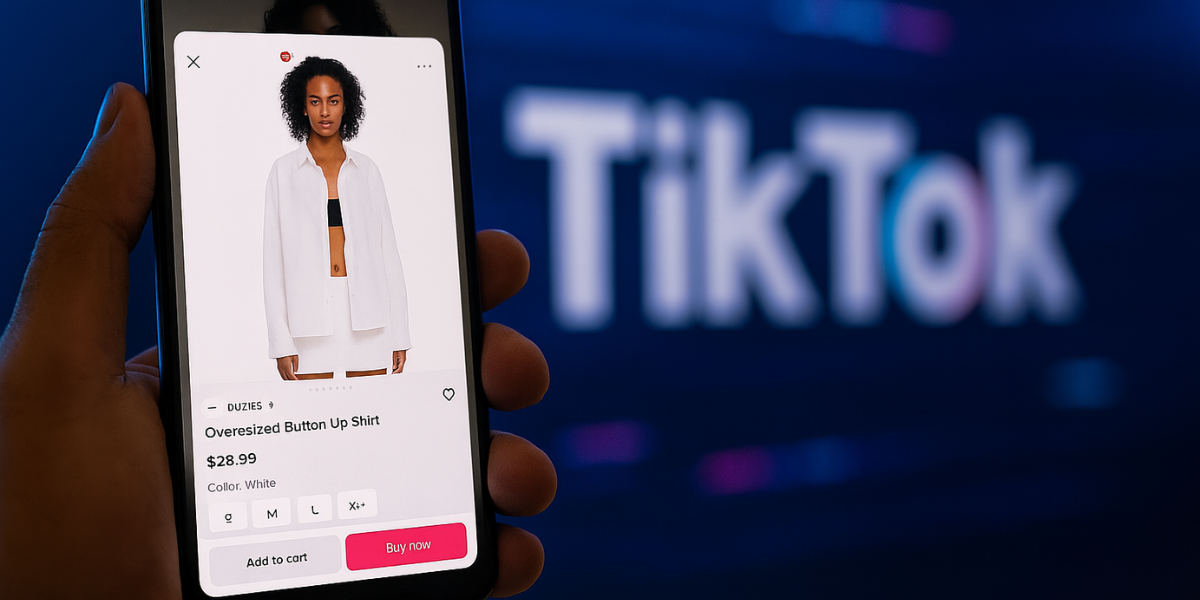
TikTok has taken a strategic step by integrating a complete store into its own interface. What used to be a social network focused on entertainment, now —in my view— is becoming a hybrid platform between content, discovery and conversion.
From my approach as a UX / UI designer, I consider that TikTok is setting a new standard in the evolution of social commerceby design decisions that eliminate friction and accompany the user from inspiration to action.
Objectives of this UX analysis
Through this analysis I want to explore three key design decisions which, in my opinion, are redefining the relationship between content and conversion within social platforms. I focus on these three aspects, which, from my experience, have a direct impact on usability and the interaction architecture:
- Direct access to the store from the main menu.
- Integration of products into the content.
- Feed with full marketplace features.
Direct access to Store from navigation
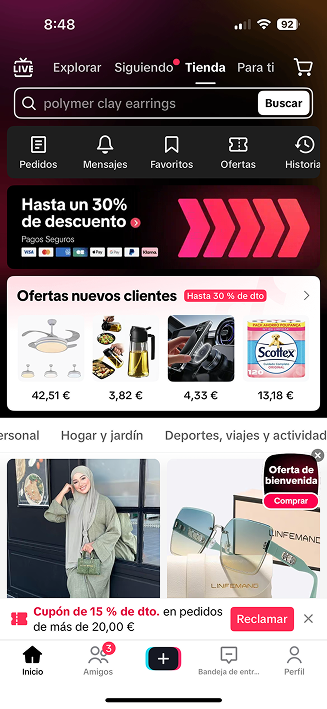
One of the most relevant changes, from my point of view, is the incorporation of the tab "Store." on the TikTok main menu. It is no longer necessary to wait for a video containing a product link: the user can access directly, as if it were one more section of the app.
I believe that this represents a significant improvement in terms of usability and proactive discovery, as it offers the user greater autonomy to explore products without having to abandon their usual use flow.
From a UX perspective, this decision contributes to reduce friction and normalize access to e-commerce from a digital leisure environment.

Integrated product within the content
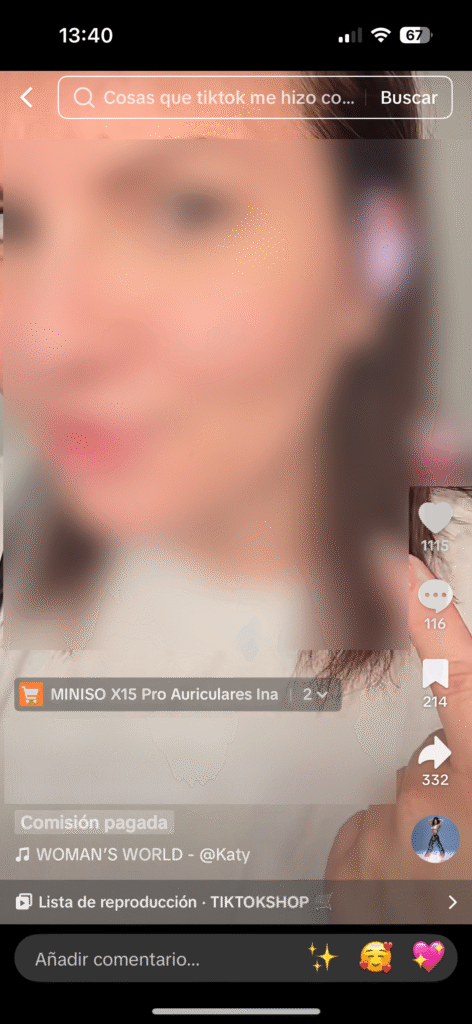
TikTok already had us used to videos with product recommendations. But what I see as a remarkable evolution is the way in which now the products are directly linked to the videos. It is possible to click and buy in a matter of seconds, without leaving the app or breaking the experience.
From my analysis as a designer, this integration:
- It eliminates intermediate steps.
- Maintains the original use flow.
- It is well adapted to the drive purchase format.
At the level of interaction design, I think it's an effective solution that combines content and conversion in a fluid and uninvasive way.
Social network or markspot?
The store section goes far beyond being a simple catalogue. Since my analysis, TikTok has built a full marketplace with promotions, categories, custom navigation and dynamic recommendations, all without leaving the app environment.
This integration within the feed implies, in my view, a clear evolution in terms of user experience:
- From attention to click.
- From inspiration to action.
- From contents to cart.
It's not just about showing products, it's about turning the content into a natural entry point into the purchase. And that, from UX, has a huge value when running with visual and functional coherence, as in this case.
Final reflection from my professional experience
The most interesting thing about all this analysis is that the purchase experience is not perceived as an interruptionbut as a natural extension of the content. TikTok, from my point of view, has managed to integrate trade without breaking the platform narrative.
As a UX / IU designer, this case seems to me an excellent example of how it is possible aligning business objectives with the real user needs, without forcing, without pushing, simply designing experiences that flow.
Personally, it reaffirms the importance of thinking about each functionality from the user's intention and the moment it is in. Because it's not just about selling, it's about do so with meaning and product coherence.

UX / IU Designer and Digital Marketing Specialist
Creating intuitive experiences and effective strategies.